
The thought of having a tube inserted down your throat can sound intimidating, but an upper GI endoscopy is one of the most transformative advancements in modern digestive medicine. Far from being a painful ordeal, this quick, routine procedure allows gastroenterologists to look directly inside your digestive tract, catching hidden issues early, preventing severe complications, and providing immediate answers where other tests fail.
Dr. Prashanth B. Gandhi, a leading Gastroenterologist in Bangalore, notes that many patients unnecessarily delay getting an endoscopy due to apprehension or fear of discomfort. However, with modern sedatives and ultra-flexible high-definition scopes, the procedure is smooth, swift, and completely painless. Understanding when upper GI endoscopy is recommended, what the procedure involves, and how it delivers accurate diagnostic clarity can help put your mind at ease and empower you to take proactive steps toward lasting digestive health.
What is an Upper GI Endoscopy?
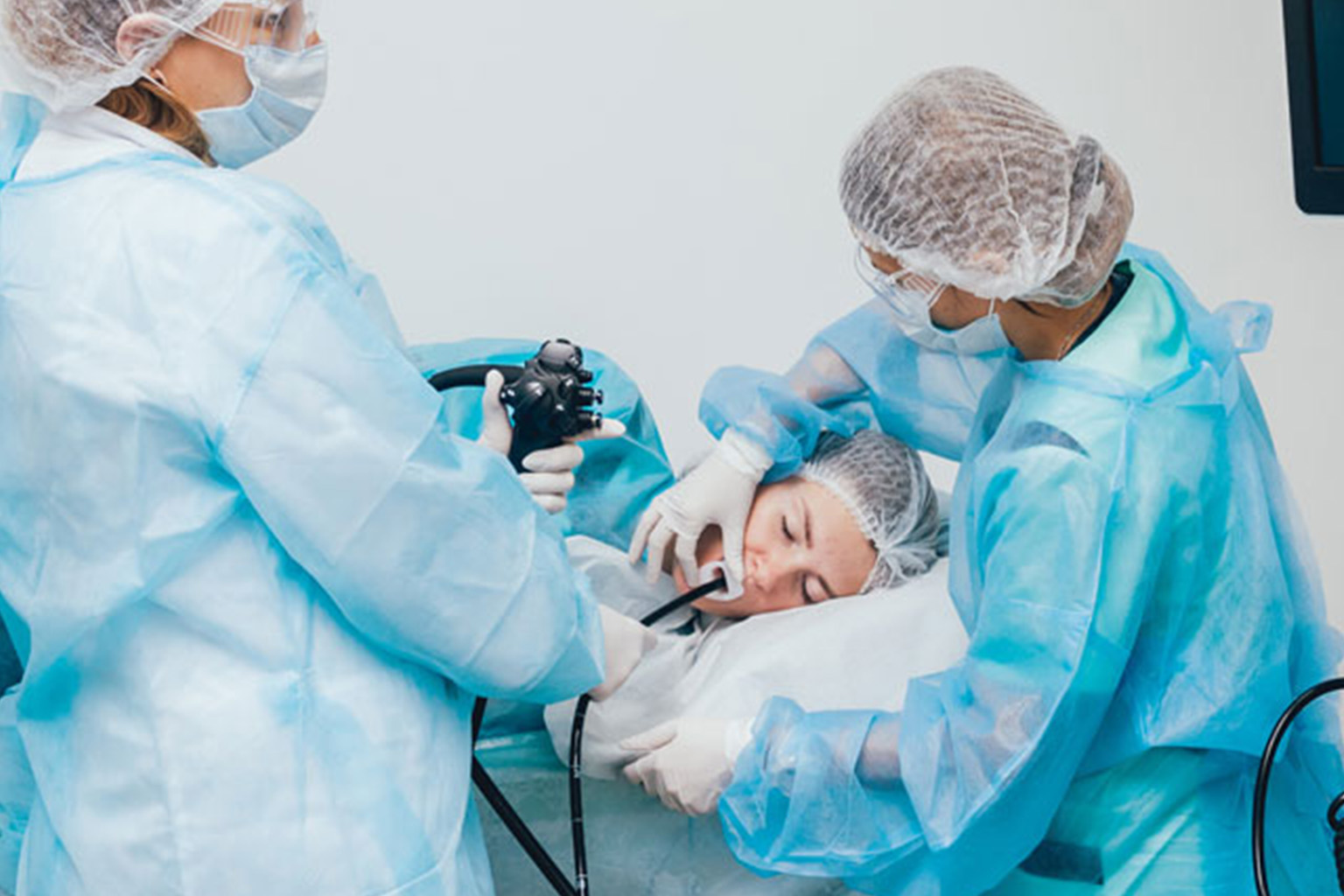
An Upper Gastrointestinal (GI) Endoscopy, also called an Esophagogastroduodenoscopy (EGD) or gastroscopy, is a minimally invasive diagnostic and therapeutic procedure. A specialist passes a thin, flexible tube (endoscope) equipped with a high-definition camera and light through your mouth to examine the lining of your esophagus, stomach, and duodenum (the first part of the small intestine).
Types of Upper GI Endoscopy
Diagnostic Endoscopy: Performed strictly to visual inspect the digestive tract, identify inflammation or lesions, and collect small tissue samples (biopsies) for laboratory analysis.
Therapeutic Endoscopy: Used to actively treat detected issues during the same session, such as stopping active bleeding, cauterizing ulcers, removing polyps, or expanding narrowed passages.
Key Upper GI endoscopy Benefits
- Direct Visual Clarity: Provides real-time, high-definition views of internal mucosal tissue that standard X-rays or ultrasound scans cannot detect.
- Two-in-One Capabilities: Allows doctors to diagnose and treat issues simultaneously without requiring invasive open surgery.
- Quick & Painless: Performed under local throat spray and light conscious sedation, ensuring complete comfort with a rapid recovery time.
When is an Upper GI Endoscopy Recommended?
Gastroenterologists recommend an upper GI endoscopy when patients present with persistent or unexplained upper abdominal symptoms that do not respond to standard medications.
Persistent Acid Reflux or Heartburn (GERD)
When severe heartburn, regurgitation, or sour burping continues despite daily acid-suppressing medication, an endoscopy is essential. It evaluates the extent of acid damage to the esophagus, checks for inflammation (esophagitis), and rules out precancerous changes like Barrett’s esophagus.
Unexplained Upper Abdominal Pain or Bloating
Ongoing discomfort, burning sensations, or full-feeling pain in the upper stomach area warrants direct visual investigation. An endoscopy helps identify underlying peptic ulcers, deep tissue erosion, or chronic gastritis caused by infections such as Helicobacter pylori.
Difficulty or Pain When Swallowing (Dysphagia)
Feeling like food gets stuck in your chest or throat, or experiencing sharp pain while swallowing, can indicate structural issues. An endoscopy checks for esophageal strictures (narrowing), inflammation, motility disorders, or abnormal tissue growths that obstruct normal swallowing.
Unexplained Weight Loss, Anemia, or Persistent Vomiting
Unintended weight loss combined with chronic nausea, frequent vomiting, or low hemoglobin (iron-deficiency anemia) points to potential nutrient malabsorption or internal fluid loss. An endoscopy allows specialists to inspect for celiac disease, severe mucosal damage, or early-stage upper GI malignancies.
Signs of Upper Gastrointestinal Bleeding
Vomiting blood, passing dark, tarry stools (melena), or vomiting material that looks like coffee grounds indicates active bleeding in the upper digestive tract. An endoscopy urgently pinpoints the bleeding source such as a bleeding ulcer or enlarged esophageal varices and stops it on the spot.
How is an UGI Endoscopy Performed?
An upper GI endoscopy is a streamlined day-care procedure that typically takes only 10 to 15 minutes to complete:
- Preparation & Numbing: You fast for 6 to 8 hours prior to the test to ensure an empty stomach. Before starting, a local anesthetic spray numbs your throat to eliminate the gag reflex, and a mild IV sedative is administered to help you relax.
- Insertion & Inspection: You lie comfortably on your left side. A plastic mouthguard protects your teeth while the gastroenterologist gently guides the thin scope through your throat, down the esophagus, and into the stomach and duodenum. Air is gently introduced to expand the tissue folds for clear viewing.
- Biopsy or Treatment: If abnormal tissue, inflammation, or bleeding is spotted, tiny specialized tools are passed through the scope to collect biopsy samples, seal bleeding vessels, or remove polyps painlessly.
- Recovery & Discharge: Once the scope is removed, you recover in a monitoring room for 30 to 45 minutes as the sedation wears off. You can return home the same day.
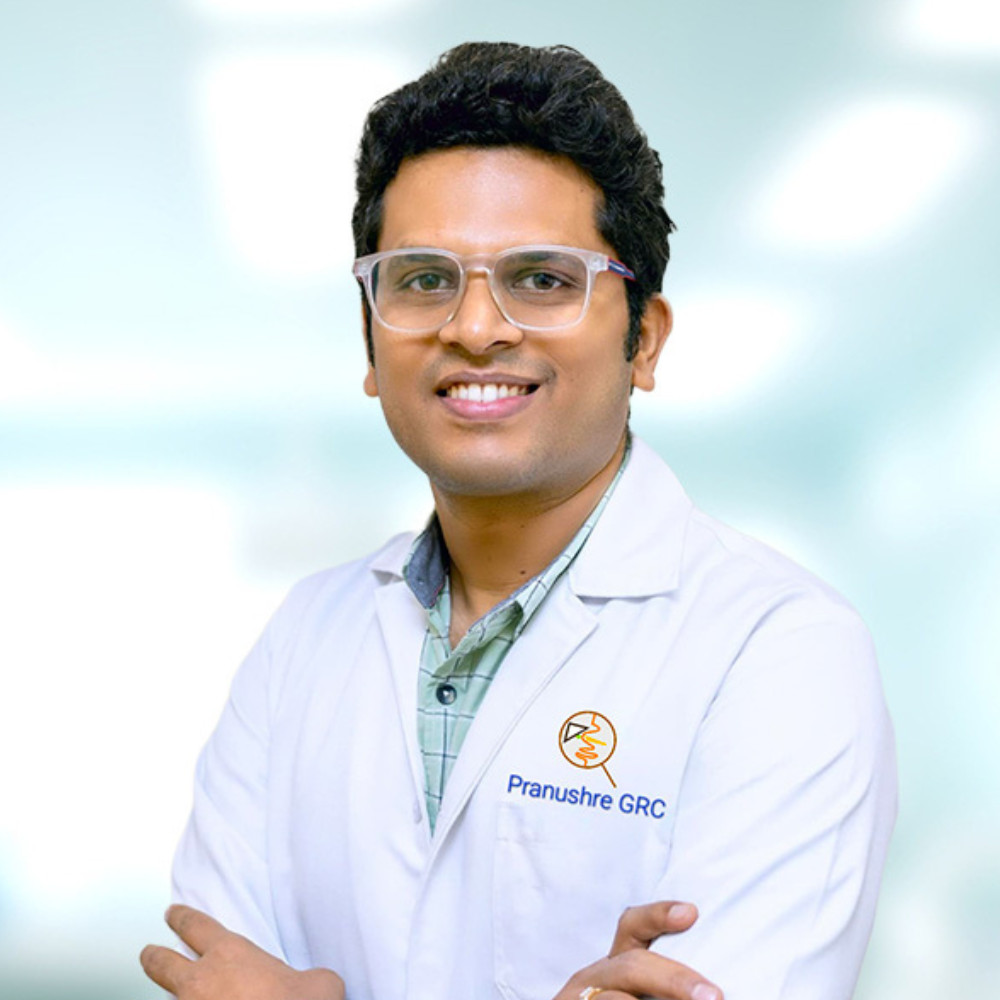
“Visual inspection combined with targeted biopsy remains the gold standard in gastroenterology. An endoscopy gives us definitive diagnostic clarity in minutes, helping us craft precise treatment plans and save lives through early detection.”
Cost of Upper GI Endoscopy
The upper GI endoscopy cost varies depending on several key medical and institutional factors rather than a single fixed price. Key drivers determining the total expense include:
- Hospital & Clinic Tier: Procedure costs vary depending on whether it is performed at a specialized day-care clinic, a corporate multispecialty hospital, or a diagnostic center.
- Type of Sedation: Diagnostic endoscopies performed with simple throat spray cost less than those requiring conscious IV sedation or deep anesthesia managed by an anesthesiologist.
- Therapeutic Interventions: Additional procedures done during the scan—such as tissue biopsies, polyp removals, or bleeding control—incur separate lab and procedural charges.
- Technology Used: Advanced diagnostic enhancements like High-Definition (HD) visualization or Narrow Band Imaging (NBI) may influence overall pricing.
If you are seeking an upper GI endoscopy in Bangalore, Pranushre Gastro-Rheumatology Clinic in Raja Rajeshwari Nagar offers safe, painless procedures at transparent pricing.
What Are the Alternatives to Upper GI Endoscopy?
While a gastroscopy is the most definitive test, certain non-invasive alternatives may be considered depending on your symptoms:
- Barium Swallow / Upper GI Series: A specialized X-ray where you drink a chalky liquid (barium) to outline the shape of your esophagus and stomach. It shows structural outlines but cannot capture fine mucosal detail or take tissue samples.
- Capsule Endoscopy: A small, swallowable wireless camera capsule that takes thousands of images as it passes through your digestive tract. It is excellent for visualizing the deep small intestine but cannot perform biopsies or treatments.
- Abdominal CT Scan or Ultrasound: Cross-sectional imaging techniques useful for evaluating outer organ structures like the liver, gallbladder, and pancreas, though less detailed for inspecting the inner mucosal lining.
- Stool & Breath Tests: Non-invasive laboratory tests used specifically to detect H. pylori infections or digestive inflammation markers without visual inspection.
Visit Pranushre Gastro-Rheumatology Clinic, Raja Rajeshwari Nagar
An upper GI endoscopy is a safe, fast, and highly accurate procedure that transforms how digestive conditions are diagnosed and managed. By replacing guesswork with direct visual confirmation, it ensures you receive targeted treatment early, preventing severe complications and restoring your quality of life.
Don’t wait for digestive symptoms to worsen! Consult Dr. Prashanth B. Gandhi, Consultant Gastroenterologist and Hepatologist for precision-led, safe upper GI endoscopy in Bangalore.
Book Appointment Now: +91 78421 98823
Address: No. 11, First Floor, SPR Nisarga Enclave, BEML Layout, 5th ‘a’ Stage, H V Halli Main Road, Opposite Lalith Castle School, Raja Rajeshwari Nagar, Bengaluru – 560098
Website: www.pranushre.com/dr-prashanth-b-gandhi/
Serving Patients From: Rajarajeshwari Nagar (RR Nagar), Kengeri, Banashankari, Nayandahalli & Uttarahalli